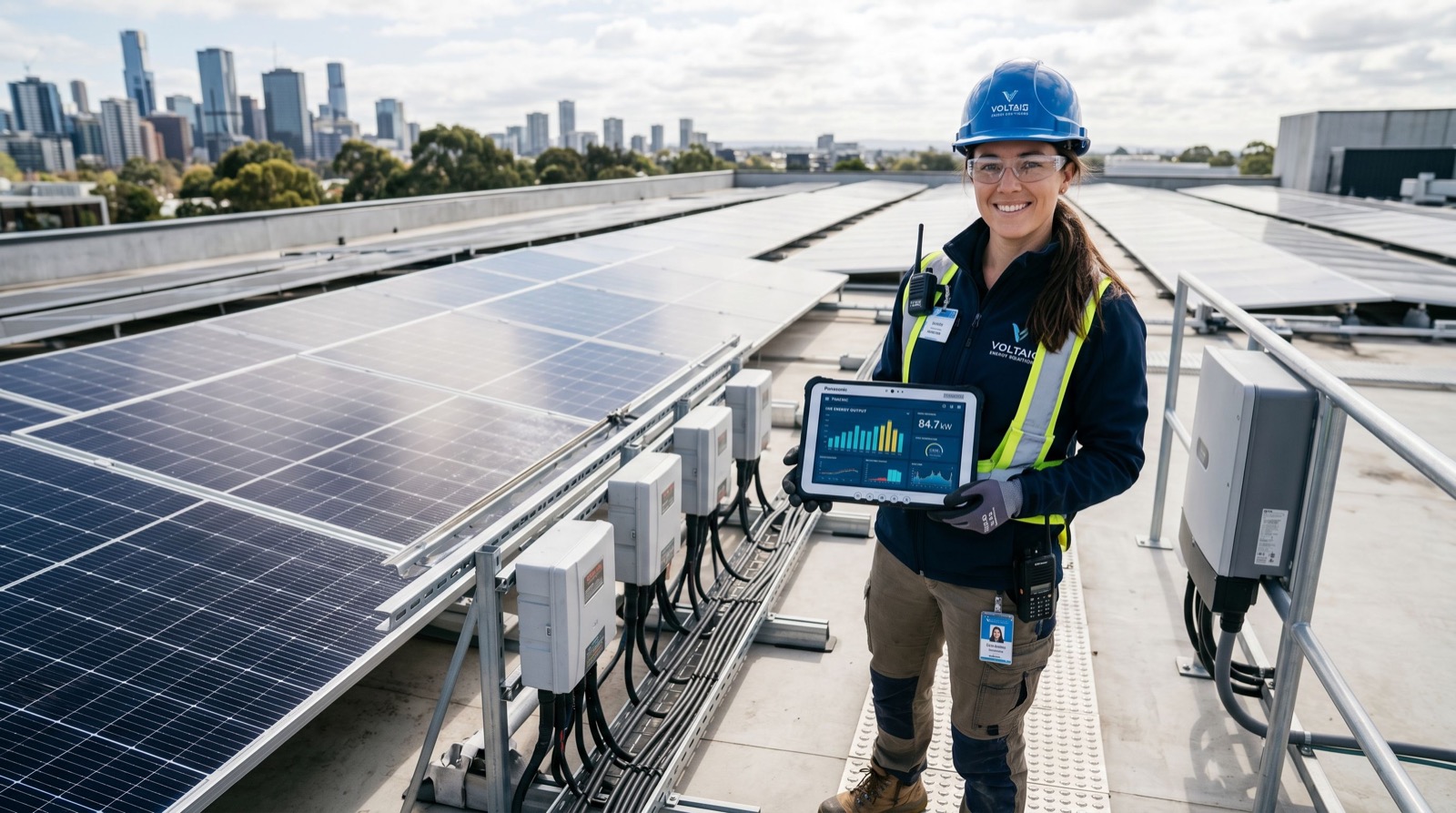
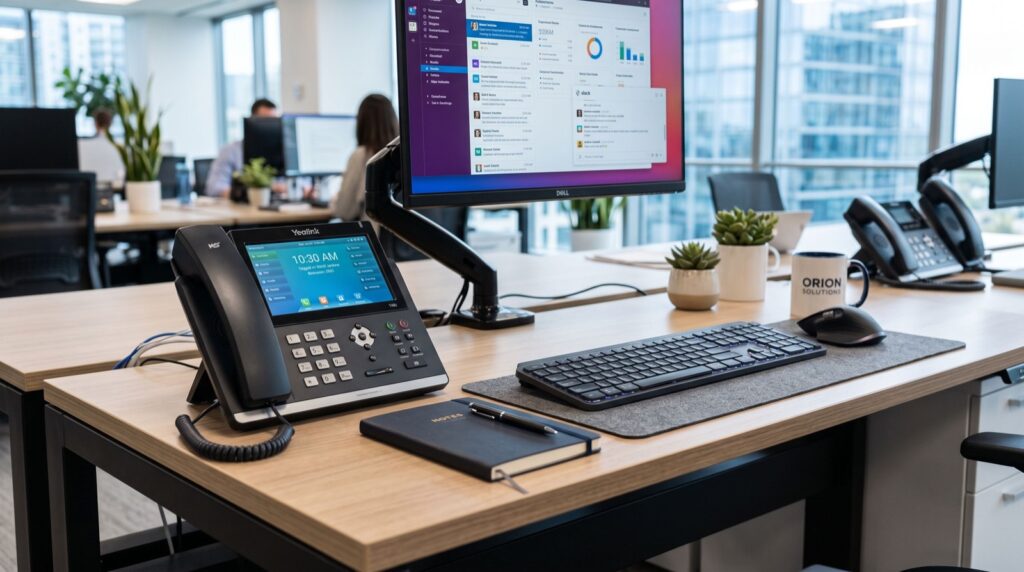
Not everyone works chained to a desk. Warehouse staff walk aisles, clinic nurses move between rooms, shop-floor managers roam the sales area, and hotel teams cover multiple floors. For these people, a fixed desk phone is a missed call waiting to happen. That is exactly the gap a portable Wi-Fi IP phone fills, letting staff carry their extension in a pocket and answer wherever the work takes them.
This guide explores mobility in business telephony: how Wi-Fi phones work, where they beat a desk handset, and how to blend cordless and fixed devices into one smooth system. We will look at a leading portable model, the Fanvil W610W, and show how it pairs with desk phones so no call slips through the cracks in 2026.
What is a portable Wi-Fi IP phone?
A Wi-Fi IP phone is a cordless handset that connects to your business phone system over your wireless network rather than a cable. It registers a SIP account just like a desk phone, but instead of sitting in one spot, it travels with the person carrying it, staying connected as long as they remain within Wi-Fi coverage.
Think of it as combining the mobility of a mobile phone with the cost control and features of your business system. Calls stay on your internal network, so there are no mobile-network charges for internal chatter, and staff keep their proper business extension instead of handing out personal numbers.
How is a Wi-Fi phone different from a DECT cordless?
Older cordless business phones use DECT, a dedicated radio technology that needs its own base stations. A Wi-Fi phone instead rides on the wireless network you already run for laptops and tablets. That means no extra base station hardware to install, and coverage extends naturally as you add access points. For sites that already have solid Wi-Fi, the wireless approach is often simpler and more flexible.
Where mobility beats a fixed desk phone
Portable handsets shine in any environment where staff cannot always reach a desk. Here are the settings where they consistently pay off.
- Warehouses and logistics: Staff pick and pack across large floors while staying reachable for stock queries.
- Healthcare and clinics: Nurses and technicians move between rooms without missing patient or lab calls.
- Retail floors: Managers assist customers and take supplier calls without running back to an office.
- Hospitality: Housekeeping and maintenance teams cover multiple floors on a single roaming extension.
- Workshops and factories: Supervisors stay contactable on the line while walking the production area.
In each case the payoff is the same: fewer missed calls, faster responses, and staff who are reachable exactly when a customer or colleague needs them.
Comparing portable and desk-based IP phones
Wireless and wired phones are not rivals; they are partners. This table shows what each does best so you can assign the right device to the right role.
| Feature | Wi-Fi portable phone | Fixed desk phone |
|---|---|---|
| Best for | Roaming staff | Seated staff and reception |
| Connection | Wireless network | Ethernet cable |
| Power | Rechargeable battery | PoE or adapter |
| Line keys | Fewer, on-screen | Many physical keys |
| Ideal placement | On the move | One dedicated desk |
| Typical model | Fanvil W610W | Fanvil X210 |
A busy front desk needs the many programmable keys and big display of a device like the Fanvil X210, while a roaming supervisor is far better served by the pocketable W610W. Deploy both and each role gets the hardware that fits how it actually works.
How to build a mixed wired and wireless system
Blending portable and desk phones is straightforward with a bit of planning. Follow these steps for a system that covers every worker.
- Map who moves and who sits. Assign Wi-Fi handsets to roamers and desk phones to fixed roles.
- Survey your Wi-Fi coverage. Walk the whole site and confirm strong signal everywhere staff will carry a phone.
- Add access points where needed. Fill dead zones so calls do not drop as people move between areas.
- Register everything on one PBX. Keep wired and wireless extensions on the same system for unified dialling.
- Set up call groups. Ring several devices at once so a call reaches whoever is free, wherever they are.
Getting the wireless survey right is the step people skip and later regret. Partnering with reliable local experts for the coverage check ensures your handsets stay connected in every corner of the building.
An original tip: roaming needs seamless handoff
Here is a detail that separates a good wireless deployment from a frustrating one. When staff walk across a large site, their phone must hand off smoothly from one access point to the next without dropping the call. Ensure your access points share the same network name and support fast roaming standards. Without this, a nurse walking down a corridor can lose a call mid-sentence. Test it by making a call and walking the full route before you go live. For the underlying SIP call-handling behaviour, the IETF RFC 3261 specification is the definitive source.
Frequently Asked Questions
How far can a Wi-Fi IP phone travel from the router?
A Wi-Fi phone works anywhere your wireless network reaches, so range depends on your access points rather than the phone. With well-placed access points, staff can roam an entire building or campus while staying connected, far beyond the limits of a single router.
Will a Wi-Fi phone drop calls when I move around?
Not if your network is set up for roaming. When access points share the same network name and support fast handoff, the phone switches between them seamlessly as you walk. Testing the full route before deployment confirms calls stay stable on the move.
Can I use portable and desk phones on the same system?
Absolutely. Both register as SIP extensions on the same PBX, so they share one dial plan, one directory, and one set of features. You simply assign portable handsets to mobile staff and desk phones to seated roles, all managed together.
How long does the battery last on a Wi-Fi phone?
Battery life varies by model and usage, but a quality portable handset typically lasts a full shift on standby with room for regular calls. Keeping a charging cradle at a central point lets staff top up between tasks so the phone is always ready.
Keep your whole team connected on the move
Mobility is no longer a luxury for businesses whose staff cannot sit still. A portable Wi-Fi IP phone like the Fanvil W610W keeps roaming workers reachable, while a powerhouse desk phone such as the Fanvil X210 anchors your reception and busy desks. Blend the two on one system, get your wireless coverage right, and you build a phone setup where no call is ever missed. Ready to give your team true mobility in 2026? Contact a trusted local Fanvil supplier and design a wired-and-wireless system that fits the way your people actually work.